
Camera Monitor Systems (CMS)

Reimagining Vehicle Visibility with Digital Vision
Camera Monitor Systems (CMS), also known as electronic mirrors or digital mirrors, are transforming how drivers perceive their surroundings. By replacing or augmenting traditional side and rearview mirrors with cameras and displays, CMS technologies can improve visibility, enhance situational awareness, and support advanced safety features.
Unlike conventional mirrors, camera-based systems can leverage image processing, high dynamic range (HDR), geometric correction, and AI-assisted perception to provide clearer visibility across a wider range of driving and environmental conditions. Camera Monitor Systems are a key application area for modern automotive vision-processing platforms.
Why Camera Monitor Systems?
Today’s vehicles face increasingly complex visibility challenges, from blind spots and night driving to adverse weather and urban environments.
Digital vision systems enable manufacturers to move beyond the limitations of traditional mirrors by combining cameras, displays, and real-time image processing.
Benefits of CMS

Enhanced visibility

Reduced blind spots

Improved low-light performance

Better performance in high-contrast lighting environments

Support for automated driving features

Improved aerodynamics versus traditional mirrors

Expanded field of view

Integration with advanced safety systems
Key Applications
Side Mirror Replacement
Camera systems can replace traditional side mirrors with digital displays, providing a wider field of view and improved visibility.
Rear Vision Systems
Digital rear-view systems can provide a consistent view behind the vehicle, regardless of cargo, passengers, or vehicle configuration.
Blind Spot Awareness
Image processing and intelligent perception technologies can improve situational awareness around the vehicle and support blind-spot monitoring applications.
Commercial Vehicles
Large vehicles often benefit significantly from expanded visibility coverage and reduced blind spots, making CMS an attractive solution for trucks, buses, and specialty vehicles.
Advanced Driver Assistance Systems
Camera Monitor Systems can serve as an important sensing layer within broader ADAS architectures by providing visual information for perception and safety applications.
High Dynamic Range Imaging
Visibility conditions can change dramatically throughout a drive.
High Dynamic Range (HDR) imaging helps preserve image quality in scenes containing both extremely bright and dark areas simultaneously.
HDR Benefits

Better visibility in direct sunlight

Improved shadow detail

Enhanced low-light performance

Improved scene interpretation

Greater image consistency
Geometric Processing and Distortion Correction
Vehicle cameras often use wide-angle optics to maximize field of view.
These optical systems can introduce geometric distortion, making dedicated geometric processing an important part of the CMS pipeline.
Key Functions

Lens distortion correction

Image warping

Camera calibration

Electronic pan, tilt, and zoom

Multi-camera image alignment
A simplified vision-processing pipeline can therefore be represented as:
Capture. Process. Correct. Understand.

Capture
Acquire visual information from multiple cameras.

Process
Optimize incoming image sensor data.

Correct
Apply geometric corrections and camera calibration.

Understand
Deliver optimized visual information to computer-vision and AI perception workloads.
Low-Latency Performance
Camera Monitor Systems must present information in real time.
Excessive image-processing delays can affect driver perception and usability.
Modern automotive vision architectures are designed around ultra-low-latency image pipelines, enabling near-real-time display of processed camera information.
Benefits

Faster image updates

Improved driver confidence

More natural viewing experience

Reduced motion lag
Enhanced safety
Edge AI and Intelligent Vision
Beyond image enhancement, modern camera systems increasingly incorporate AI-based analysis.
Edge AI can help support:
Object Detection
Identifying vehicles, pedestrians, and other road users.
Scene Understanding
Providing contextual awareness of the surrounding environment.
Driver Assistance Functions
Supporting broader ADAS and safety architectures.
Computer Vision Workloads
Processing visual information directly at the edge before it reaches higher-level vehicle systems.
Modern Edge AI architectures combine image signal processing, neural processing, digital signal processing, and application processing in a single vision platform.
From Camera Input to Driver Visibility
A modern CMS architecture can be represented as:
Camera Sensors → Image Signal Processing (ISP) → HDR & Geometric Correction → Computer Vision & Edge AI → Display System → Driver Awareness
The objective is to transform raw sensor data into clear, reliable visual information that enhances driver awareness and contributes to overall vehicle safety.
Products
iND880
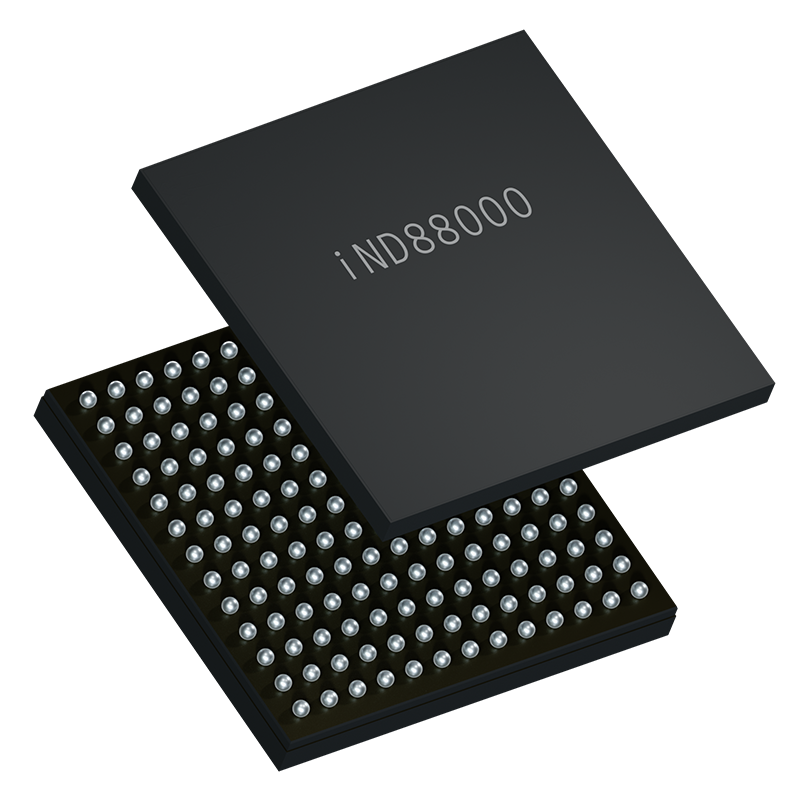
Camera Video Processor
iND881

Edge AI Video Processor SoC
GW5
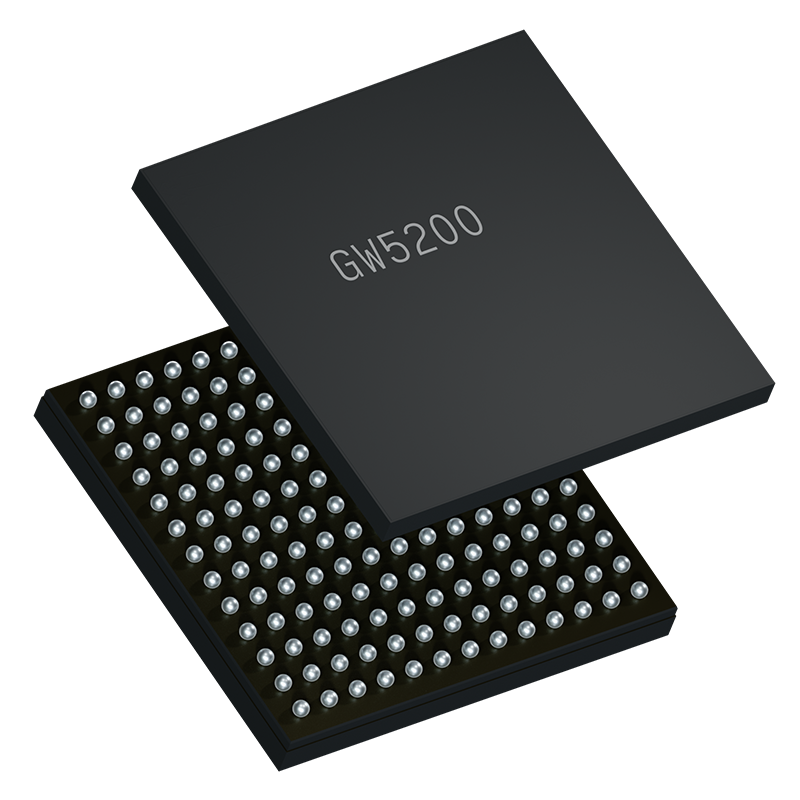
Camera Video Processor
GW4

Camera Video Processor