Introduction Fibre lasers provide many advantages that are driving their adoption in a growing number of applications that until recently relied on other laser technologies (solid-state crystal lasers, gas lasers, semiconductors, etc.). Therapeutic applications of lasers have existed since their introduction in the 1960s, and have continued to multiply and be refined ever since. The therapeutic fibre laser represents a significant refinement as it opens up new possibilities to improve…

For dense wavelength-division multiplexing DWDM links up to 80 km, 100G PAM4 QSFP28 transceivers offer reduced cost, lower power consumption, and smaller footprint than conventional coherent transceivers, but at the cost of having to accurately manage chromatic dispersion (CD). Far from a showstopper, we will see that compensating CD in PAM4 links is quite simple and demonstrate this by drawing a few examples. When transmitted beyond a few kilometers, 100G…
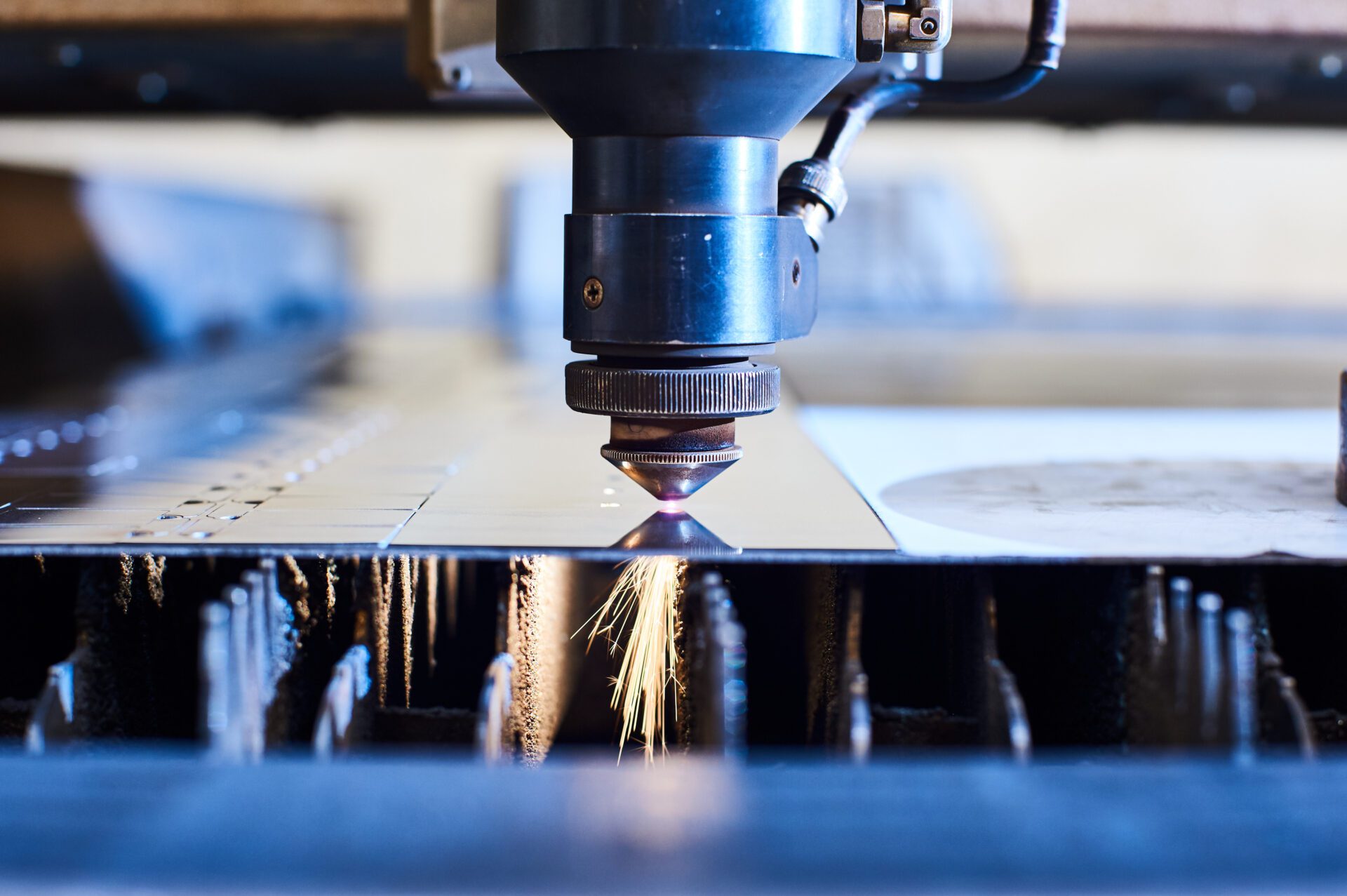
Fiber laser metal cutting machines with fiber-based beam delivery must have a delivery fiber long enough to access all targeted locations on the workpiece. Learn more about the benefits of Raman Scattering Suppressor (RSS) to enable longer fibers in high throughput multi-kW cutting systems. Stimulated Raman Scattering: A Major Challenge for Industrial Fiber Laser Designers With the growing trend of increasing throughput in fiber laser cutting machines, laser design challenges…
Chirped-Pulse Amplification (CPA), based on ultrafast lasers (Figure 1), are in-demand versatile processing tools. They often operate in extreme physical conditions: several hundred Watts to Kilowatts of average power in MHz-GHz repetition rate regime, combined with pulse duration often below a picosecond, give rise to intense pulse in MW to GW peak power. Ultra-Short Pulse (USP) lasers are becoming a vital backbone in diverse applications. Whether it is for micro-machining…