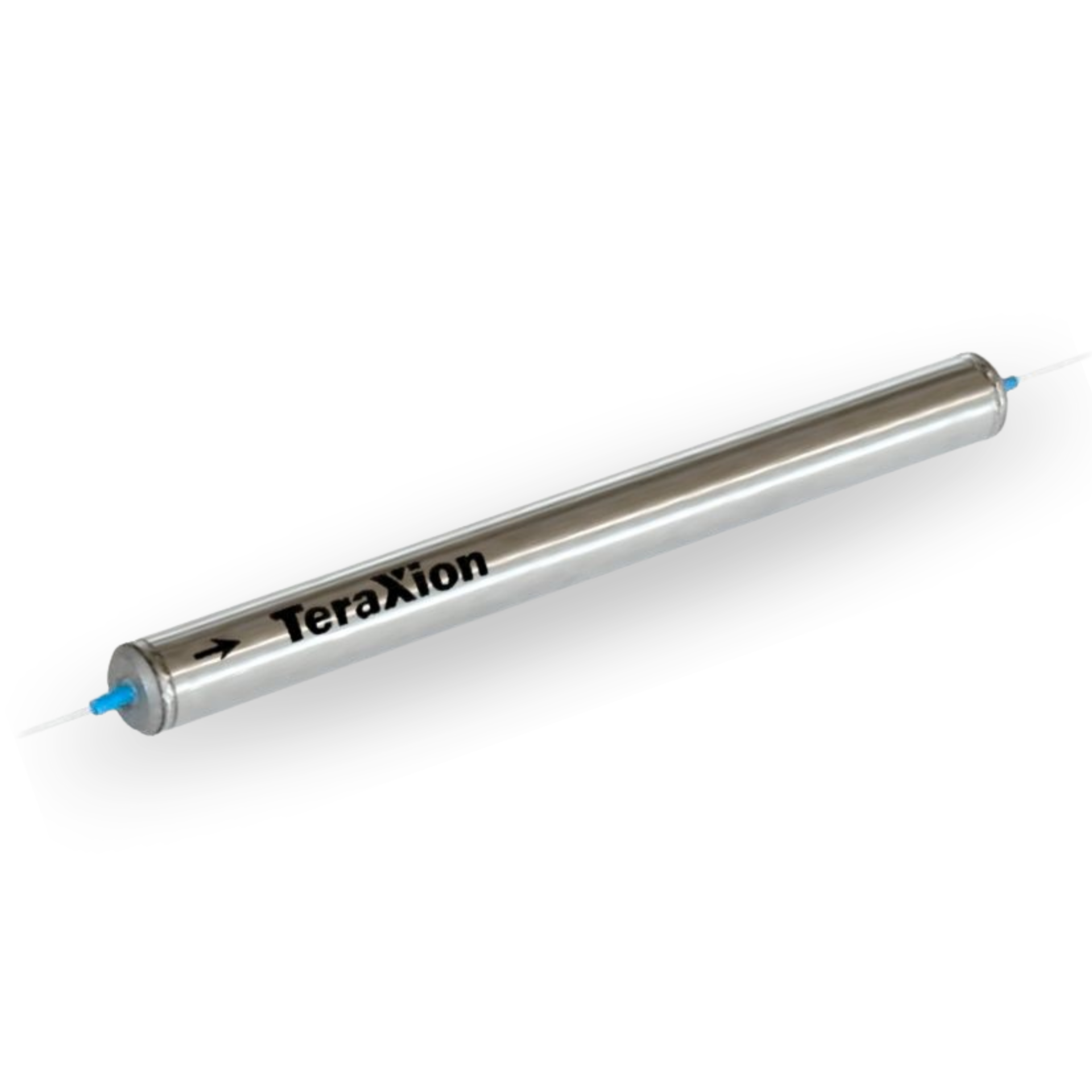




In this blog summarizes indie Photonics’ optical components and subsystems that empower next-generation quantum technologies, specifically quantum computing and Quantum Key Distribution (QKD). indie’s portfolio includes ultra-low-phase-noise lasers, high-performance optical filters, and advanced photonic integration platforms that together enable scalable, high-fidelity quantum systems.
Introduction — Quantum Technologies and their Reliance on Optics
Quantum technologies are ushering in a new era of computation, communication, and sensing where information is encoded, transmitted, and processed using the fundamental properties of light and matter. At the heart of this transformation lies photonics: lasers that generate coherent light, filters that define its spectral purity, and integrated optics that manipulate photons with nanometer precision.
Unlike conventional electronics, quantum systems depend on optical coherence and quantum interference to function. Narrow-linewidth, ultra-stable lasers are required to maintain quantum phase relationships; high-performance optical filters, such as fiber Bragg gratings (FBGs), isolate delicate quantum channels; and photonic integrated circuits (PICs) combine multiple optical elements into compact, robust, and scalable chips.
indie Photonics offers a Quantum Photonics Toolkit covering the full optical chain:
- Ultra-narrow linewidth lasers (LXM series) for qubit preparation and coherent detection
- Fiber Bragg Grating (FBG) and Dispersion Compensation Module (DCML) optical filters for spectral shaping and isolation
- Visible single-frequency lasers and gain modules for optical pumping and atomic control
- Hybrid Optical Packaging Platform (HOPP) for advanced integrated light sources and scalable co-packaging of lasers, PICs, and electronics
With semiconductor manufacturing, in-house photonic packaging in Zurich, Switzerland and Quebec City, Canada, and automation capacity up to 10,000 butterfly modules per year, indie delivers quantum-ready hardware that bridges laboratory innovation and industrial production.
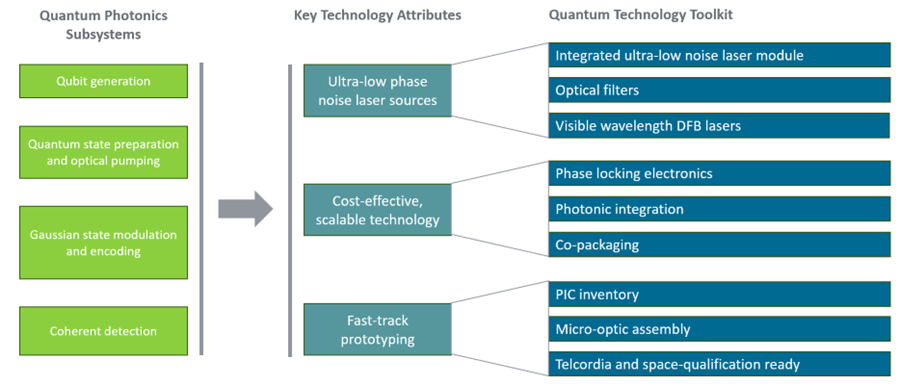
Figure 1. Optical building blocks in quantum technologies (placeholder diagram).
Quantum Computing with Optics
Visible and near-UV semiconductor lasers play an essential role for ion/atom trapping, cooling, optical pumping, fluorescence readout, and photonic quantum processors. For such quantum applications, narrow linewidth, excellent beam quality, and precise wavelength control to target specific atomic transitions are key requirements.
Semiconductor Optical Amplifiers
Semiconductor gain chips and optical amplifiers are key components in modern photonic systems, enabling the amplification of optical signals for laser applications. When integrated into external cavities these chips boost signal strength or can generate single frequency lasing at wavelengths covered by their gain spectrum.
A semiconductor gain chip is an active medium, typically made from materials like indium phosphide (InP), gallium arsenide (GaAs) or gallium nitride (GaN), that converts electrical energy into optical gain through stimulated emission. GaN enables amplification in the ultraviolet to green spectral regions, while GaAs is ideal for red to near-infrared emission. InP, on the other hand, is the material of choice for C-band and other telecommunications wavelengths. With more than two decades of operation across all three material systems, EXALOS products are ideally suited to deliver high-performance amplifiers and reflective gain chips covering a broad range of optical wavelengths. In-house epitaxial growth of GaN crystals and the ability to develop application-specific chip layouts provide all the flexibility needed to address the most demanding quantum applications.
Besides conventional single-emitters, indie Photonics offer the possibility to develop customized arrays of emitters and tailored gain chip layouts for PIC integration, which makes it an ideal partner for the development of custom light sources, an especially important capability when faced with the diversity of needs in the emerging quantum computing field

Figure 2. EXALOS gain chips can be provided as industry standard modules, and/or can be customized for multi-emitter geometries or for PIC integrated architectures.
Distributed Feed-Back Laser Diodes
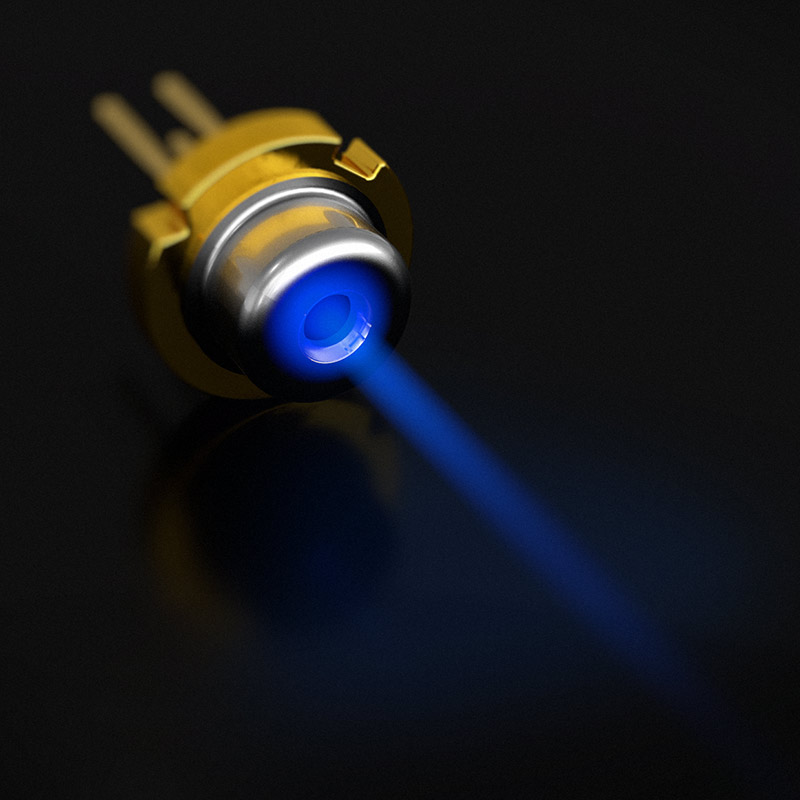
Traditional single-frequency laser solutions depend on external cavities and frequency doubling, resulting in systems that are large, complex, and costly. In contrast, indie DFB laser sources are a compact and cost-effective alternative, providing high quality single-mode emission at the chip level. The visible DFB laser sources are based on GaN compound semiconductors and provide new capabilities for trapping, manipulating and reading out quantum states with minimal disturbance. Engineered to be robust and scalable, the embedded-grating design results in a stable and hop-free single longitudinal mode operation (sub-MHz linewidths) eliminating the need for an external cavity grating or Bragg reflector. Further, the high (40 dB) side-mode suppression provides low-noise operation, which is a key requirement for quantum applications. The newly developed approach also ensures high electro-optical efficiency and is wavelength agnostic (over 375 nm to 535 nm in range), which allows the semiconductor epitaxial or “epi” structure to be tailored according to specific atom or ion electronic transitions needed to create quantum states.
Key features:
- Typical intrinsic linewidth of 1 MHz or lower
- Mode-hop free with 40 dB side mode suppression
- Current/temperature tunable over ~ 1 nm
- Wavelength-agnostic DFB design
- Compatible with PIC locking for <10 kHz linewidth

Figure 3. Left: landscape of lasing wavelengths of EXALOS DFB laser diodes based on GaN semiconductor materials. Right: log scale spectrum of blue DFB laser diode showing single mode emission and high side-mode suppression ratio.
Gaussian fields for quantum computing using CW lasers
Continuous-variable (CV) optical quantum computing leverages Gaussian optical fields encoded via ultra-stable continuous-wave (CW) lasers such as the LXM to represent quantum information in amplitude and phase quadratures. These systems typically use homodyne or heterodyne detection, in which a strong local oscillator laser interferes with the signal beam, and the difference in intensity is measured with high-sensitivity avalanche photodiodes (APDs). This approach allows the extraction of quadrature information with extremely high precision, supporting entanglement generation, quantum teleportation, and universal quantum gate operations in optical platforms.
Compared to discrete-photon approaches, CV quantum computing benefits from deterministic operation, high bandwidth, and full compatibility with telecom components. Operating at room temperature with standard electronics, CW-based Gaussian architectures scale more easily through integrated photonics and multiplexing. Narrow-linewidth CW lasers like the LXM ensure phase stability across complex optical interferometers, maintaining coherence over long computation times.
Fiber Bragg gratings
In these architectures, Fiber Bragg Grating (FBG) filters are also indispensable for shaping and stabilizing the optical spectrum. indie Photonics’ state-of-the-art FBG products offer high thermal stability and exceptionally steep spectral filtering, ensuring precise control of frequency components critical to quantum interference and homodyne detection. These filters complement indie’s light sources by minimizing noise and enhancing mode purity.
Quantum Key Distribution (QKD): Principles, Protocols, and Optical Requirements
Quantum Key Distribution (QKD) provides a way for two parties to exchange encryption keys with information-theoretic security. Its foundation rests on the principles of quantum mechanics: any attempt to measure or intercept a quantum state inevitably alters it, revealing the presence of an eavesdropper.
The earliest and most widely known protocol, BB84, introduced by Bennett and Brassard in 1984, uses single photons prepared in one of two conjugate polarization bases. This pioneering approach demonstrated that secure communication could be guaranteed by the laws of physics rather than computational complexity.
However, practical systems face challenges: generating true single photons at high repetition rates is difficult, and single-photon detectors can be costly and limited by dark counts and timing jitter. To overcome these barriers, new families of QKD protocols emerged that use continuous-wave (CW) lasers and attenuated coherent states instead of single-photon sources.
In Continuous-Variable QKD (CV-QKD), information is encoded in the quadratures of Gaussian optical fields (amplitude and phase) of a CW laser. Homodyne or heterodyne detection with avalanche photodiodes (APDs) replaces single-photon detectors, allowing faster key rates and compatibility with standard telecom components. Similarly, Twin-Field QKD (TF-QKD) and other phase-encoded techniques use phase-stabilized CW lasers to extend range and increase stability beyond what is achievable with discrete photon sources.
These CW-based architectures are inherently more scalable and integrable: they operate with off-the-shelf telecom lasers, leverage dense wavelength-division multiplexing (DWDM) infrastructure, and can be implemented using photonic integrated circuits (PICs) for compact, high-throughput systems. By minimizing the dependence on probabilistic single-photon sources and cryogenic detectors, CW-based QKD paves the way for large-scale, cost-effective quantum-secure networks.
indie Products for QKD
LXM-U and LXM-S Narrow-Linewidth Lasers
indie’s LXM family represents the next generation of semiconductor lasers engineered for quantum communication. Two variants address distinct system needs:
- LXM-S (Direct-Drive): <25 kHz linewidth, >5 GHz modulation bandwidth
- LXM-U (Frequency-Locked): <0.1 kHz linewidth, 0.2 GHz modulation bandwidth
Both versions deliver ultra-low phase noise and exceptional frequency stability. The LXM-U provides <100 Hz²/Hz frequency noise and RIN below –160 dB/Hz, with output power configurable from 10–50 mW. Lasers can be purchased in matched pairs and tuned within ±5 MHz for dual-laser operation, which is ideal for interferometric and twin-field architectures. No external cavity or bulk optics are required.
Long-term frequency stability of ±1 MHz/24 h, >55 dB side-mode suppression, and direct modulation up to hundreds of MHz ensure compatibility with CV-QKD transceivers and DSP locking loops.
Optical Filters (FBG and Tunable Athermal Filters)
indie’s optical filters provide spectral precision for quantum communication systems:
- Center wavelength: 780–2100 nm
- Bandwidth: 2 GHz to several THz
- Thermal drift: <0.5 pm/°C
- Wavelength accuracy: <50 pm (SMF), <150 pm (PMF)
- Tuning range: ±30 GHz with 250 MHz precision
Available in narrowband (2–50 GHz) and ultra-narrowband (50–500 MHz) variants, these filters can be cascaded for enhanced isolation. The ultra-narrowband versions are ideal for CV-QKD systems requiring 100–200 MHz filtering bandwidths.

Figure 4. LXM-U laser. Typical linewidth is 80Hz, providing exceptional stability and low noise.
Photonic Integration for Scalable Quantum Technologies
Photonic integration represents one of indie Photonics’ core strengths and a critical enabler for scalable quantum systems. By integrating lasers, modulators, filters, and detectors onto photonic integrated circuits (PICs), future QKD and quantum computing systems can achieve greater compactness, thermal stability, and production scalability.
Integrated photonic platforms replace bulky discrete optics with wafer-level components, drastically reducing footprint and cost per channel. indie’s expertise in hybrid integration, combining InP, GaAs, GaN, and silicon nitride platforms, enables multi-wavelength sources, modulators, and feedback elements to coexist on a single substrate. This approach reduces optical coupling losses and simplifies active stabilization loops essential for phase-sensitive quantum protocols.
Advanced optical packaging complements these innovations, with hermetic fiber coupling, athermal mounts, and co-packaged electronics supporting high-volume manufacturability. These developments allow quantum communication modules and light engines for quantum computing to evolve from laboratory-scale systems into reliable, field-deployable products.
Photonic integration is a cornerstone of indie’s strategy. The Hybrid Optical Packaging Platform (HOPP) combines precise passive or active alignment (±0.3 μm after bonding) with high-volume and high-yield manufacturing of advanced optical modules with a high level of integration, for example ultra-broadband light sources with multiple superluminescent diodes (SLEDs) spectrally combined, red-green-blue (RGB) SLED or LD optical modules, ultra-precise SLED transceivers for fiber optic gyroscopes (FOGs) or other fiber sensors in navigation, aviation and robotics, or other highly functional optical modules for various quantum applications, realized by automated co-packaging of SLEDs, LDs, PICs, photodiodes or passive optical components. A single HOPP production machine can assemble up to 10,000 Butterfly modules per year.
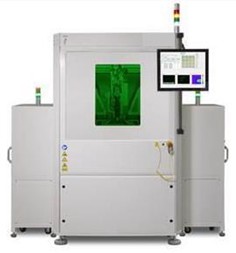
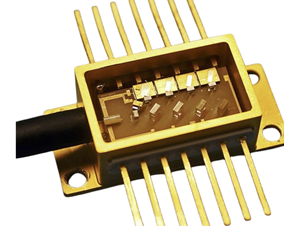
Figure 5. HOPP machine (left) used for the production of advanced integrated optical modules, and example of combined-SLED source (right).
Hybrid Integration Examples:
- Co-packaged DFB lasers, SOAs, and SiN PICs
- 4-channel FMCW optical engine with SOAs and photonic circuits
- Fiber optic gyroscope light source integrating SiP, indie laser, and control electronics
- Triple DFB phase-locked modules for coherent systems
- Broadband SLED transceiver source for fiber optic gyroscopes (FOGs) or for inertial measurement units (IMUs)
- Ultra-broadband combined-SLED source in the visible or near-infrared wavelength range for semicon applications, fiber sensing or biomedical imaging
- Miniaturized and integrated RGB modules for head-up displays (HUDs)
These technologies reduce coupling losses, improve phase stability, and support multi-wavelength locking. Integration across InP, GaAs, GaN, and SiN platforms allows for complex photonic systems combining sources, amplifiers, modulators, and detectors on a single chip.
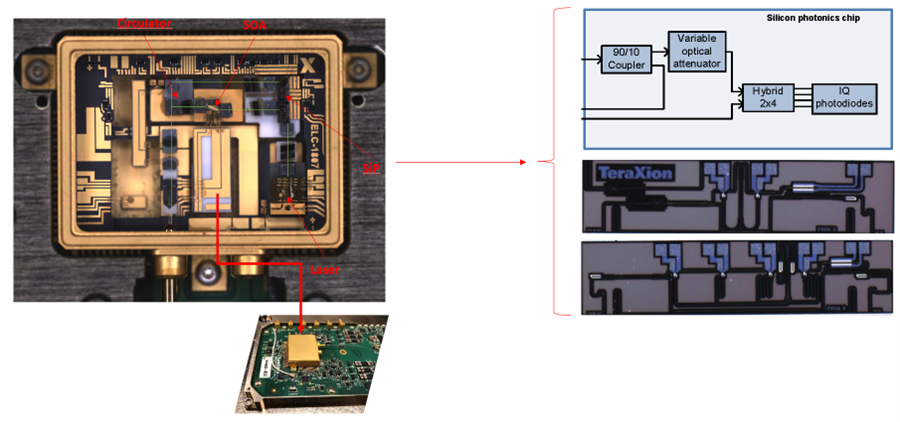
Figure 6. Silicon Photonics Example: Coherent receiver circuit.
Conclusion
indie Photonics stands at the intersection of photonics and quantum innovation, offering a technology platform that combines ultra-stable light sources, precision optical filtering, and advanced photonic integration. The LXM-U narrow-linewidth laser enables coherent-state and continuous-variable quantum systems such as QKD and Gaussian-mode quantum information processing. The company’s FBG and DCML components provide unrivaled optical stability and noise suppression for long-haul and laboratory systems alike, while the EXALOS DFB and Fabry-Perot lasers deliver tailored wavelengths and power levels for visible-range and atomic-based architectures.
Through its leadership in photonic integrated circuits (PICs) and optical packaging, indie Photonics is shaping the path toward compact, scalable, and manufacturable quantum technologies. By uniting all critical photonic functions within smaller, thermally stable modules, indie can enable quantum communication networks and quantum computing platforms evolving from bespoke laboratory setups into robust, industrial-grade systems capable of global deployment.
Together, these innovations establish indie Photonics as a key enabler of the quantum era – delivering reliability, scalability, and performance for the next generation of secure communications and optical computing.
Related Products
| Product | Description | |
|---|---|---|
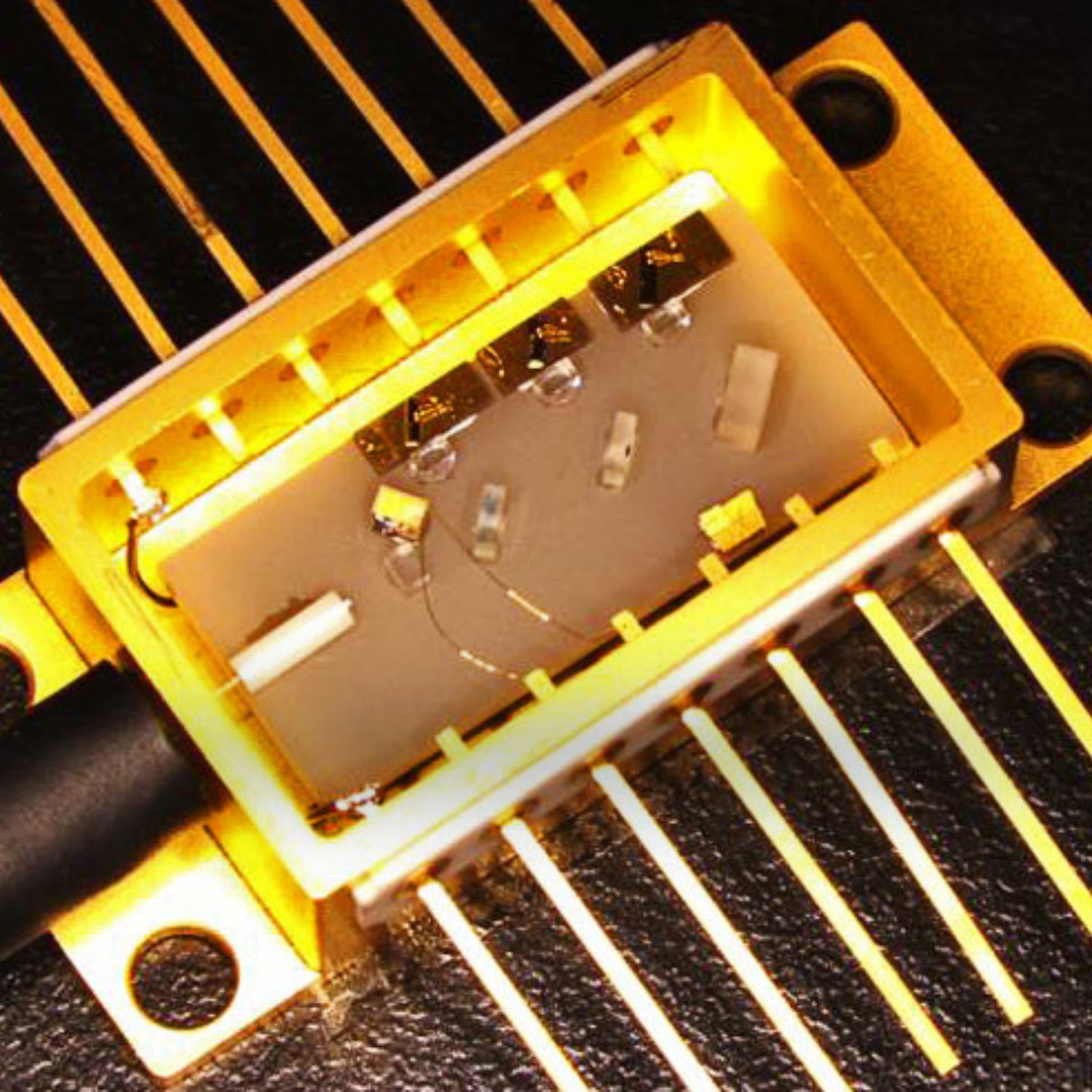
Spectral combination of light from multiple SLED chips into a single output from a standard 14-pin Butterfly package providing an ultra-wideband optical spectrum. |

|
|
Narrow linewidth, rugged, compact and highly stable laser module for challenging applications. |
|
|
Narrow-linewidth laser with a high side-mode suppression ratio, minimizing unwanted modes for superior signal clarity. |
|
|
Ultra-low loss, minimal latency, and robust passive design to prevent nonlinear impairments. |
|
|
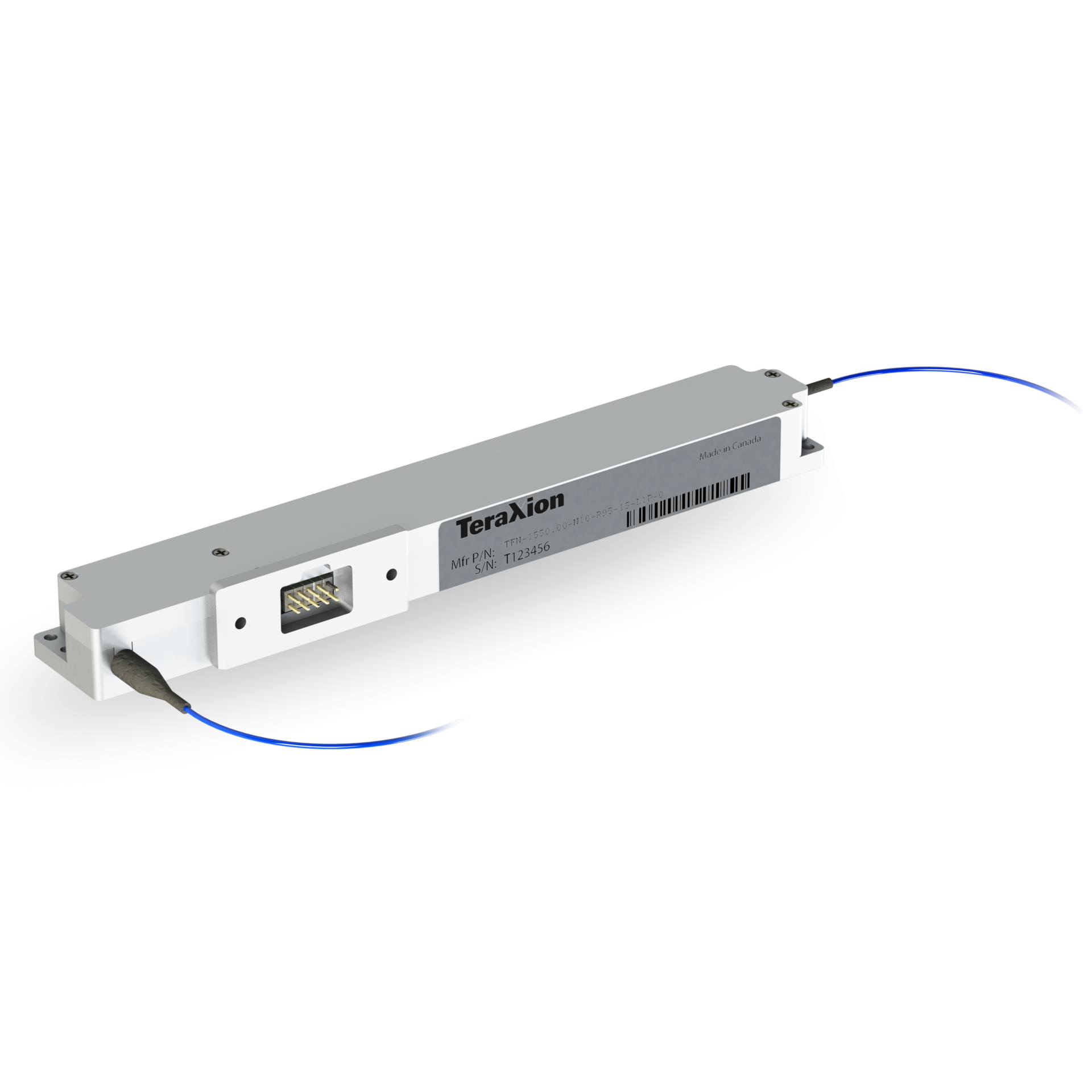
Compact and reliable thermally controlled platform for narrowband and ultra-narrowband tunable optical filters with unprecedented stability and resolution. |
|
|
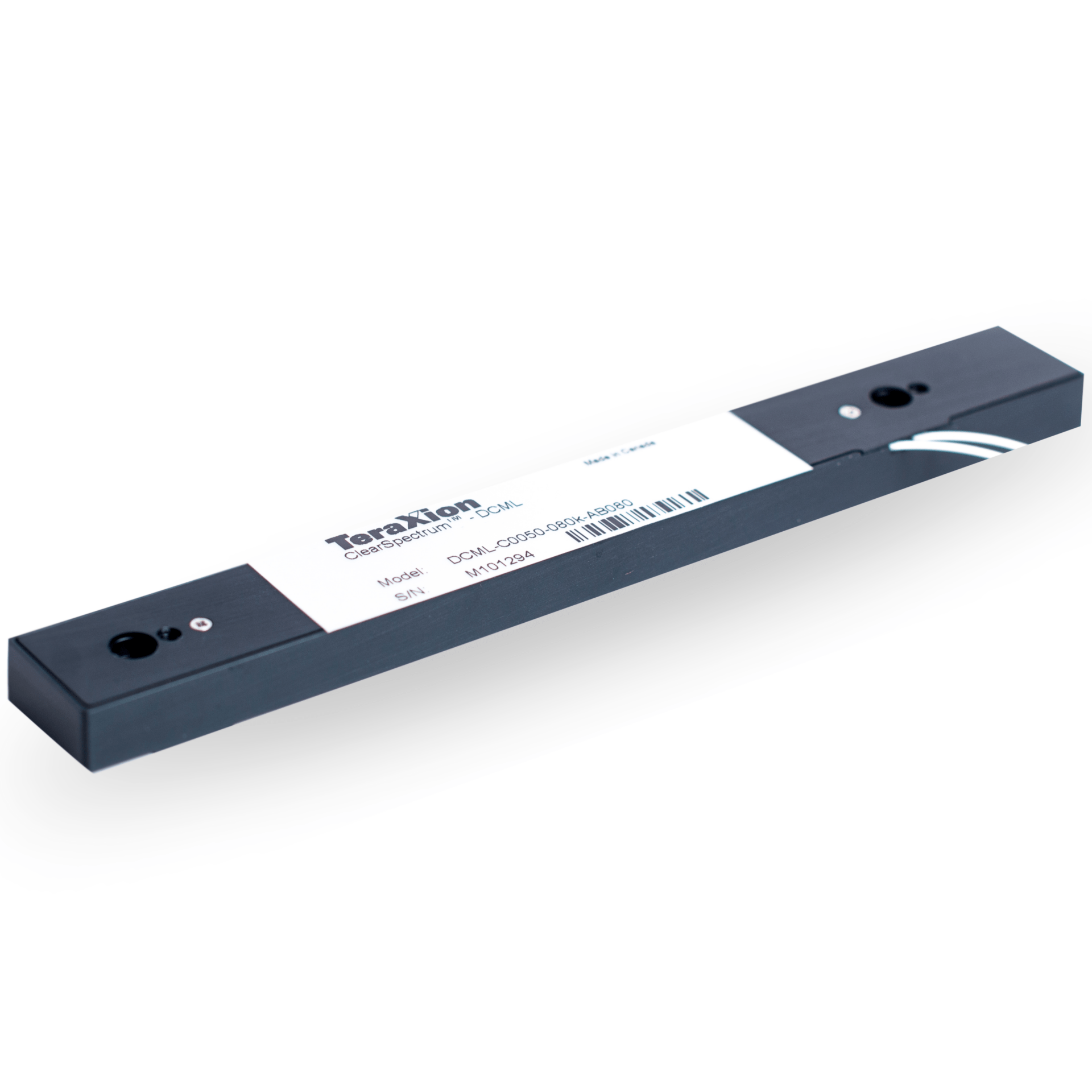
High-performance FBG optical filters designed to the strictest specifications and tolerances. |
|